
Probationary Civil Servants Can Be Dismissed Too — Poor Performance Grounds and the 30-Day Appeal Window
During probation (one year for Grade 5, six months for Grade 6 and below), poor performance can lead to dismissal by a review panel's decision, and you have 30 days from receiving the statement of reasons to file an appeal.
Passing the written exam and the interview and receiving your appointment letter isn't the end of the road. New civil servants serve a set probationary period, and different rules apply during that stretch than apply to regular civil servants. Many people don't realize poor performance can lead to dismissal without the usual disciplinary process — and only look into the procedure after they've actually received that notice. Here's what probationary dismissal is based on, and what you can do once you've been notified.
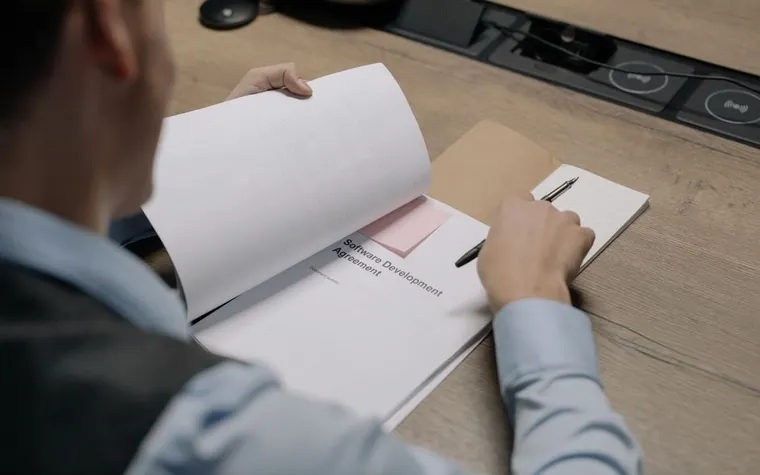
Probation length depends on your grade
Under Article 29 of the State Public Officials Act, the probationary period is one year for Grade 5 officials and six months for Grade 6 and below. During this time you serve without being confirmed as a regular civil servant, while your practical ability and work attitude are evaluated. Regular appointment only takes effect once probation ends — until then, your status isn't fully secured, which is the biggest difference from an already-tenured civil servant. This principle applies to both national and local track appointees alike, and fields with their own separate statutes, such as police and firefighters, have detailed rules set out in those laws instead.
What can get you dismissed
The appointing authority can dismiss a probationary officer if they're found unsuitable for regular appointment. Poor performance or poor training results are the typical grounds, and this also covers being expelled from training for reasons other than unavoidable circumstances like illness or military service. In practice, this ground tends to get applied when performance evaluation scores fall short of a set standard, or when a supervisor's guidance hasn't produced any confirmed improvement.
What's different from a regular civil servant — a review panel, not a disciplinary committee
Dismissing a regular civil servant through discipline requires going through a heavy process, such as a disciplinary committee resolution, under the status-protection provisions of the State Public Officials Act. Probationary officers, by contrast, aren't covered by those same status-protection provisions. Instead, the Public Officials Appointment Decree requires the appointing authority to convene a separate review panel and obtain its resolution before dismissal. That's lighter than the standard disciplinary process, but it also means the appointing authority can't simply dismiss someone at will, either.

If you're notified of dismissal — start with the statement of reasons
Once dismissal is decided, you'll be issued a statement of reasons for the disposition. It has to spell out the grounds for dismissal specifically, and the date you receive it becomes the reference point for everything that follows. If the stated reason looks unsupported or doesn't match your actual performance evaluation record, this is the stage where you need to start preparing to contest it.
Filing an appeal — 30 days that don't extend
To contest a dismissal, you have to file with the Appeals Review Commission within 30 days of receiving the statement of reasons. This isn't a period that can be extended depending on circumstances — it's a fixed statutory deadline, and missing it by even a day effectively ends your ability to contest the decision. That's why the moment you're notified of dismissal, you need to confirm the date and start preparing your filing immediately.
How long the review takes
The Appeals Review Commission must issue a decision within 60 days of receiving the appeal. If the case is complex enough to warrant it, the commission can extend that by 30 days, once, by its own resolution. If the review cancels or changes the disposition, your status can be restored accordingly — but it's worth knowing that the dismissal stays in effect while the review is ongoing.
This is a different process from appointment deferral
Probationary dismissal is often confused with appointment deferral. Deferral pushes back the start of an appointment for reasons like childcare or illness; probationary dismissal ends someone's status over performance after they've already been appointed and are on the job. Both concern the status of a newly hired civil servant, but the timing and grounds are completely different, so it's worth confirming exactly which process a given notice actually refers to.
Check whether you were given a chance to respond first
Before issuing a disposition that harms someone's status, like dismissal, the person affected is normally supposed to be given a chance to submit their side first. Unlike other procedures that wrap up in a few days, such as registering exam bonus points, if you've been notified of a dismissal, it's worth going back to check whether that opportunity to respond was actually given, and whether your performance evaluation record actually matches what the statement of reasons claims.
The takeaway
Probation runs one year for Grade 5, six months for Grade 6 and below, and poor performance during that period can lead to dismissal by a review panel's resolution alone, unlike with regular civil servants. Once notified, you have 30 days from receiving the statement of reasons to file an appeal, and missing that window ends your chance to contest it. This article describes the general procedure; whether the stated grounds for a specific dismissal are valid, and how to file an appeal, should be confirmed with the Appeals Review Commission, a public officials' union, or an administrative law attorney.
This is an English translation of an article originally written in Korean. 한국어 원문 보기 ›