
Teacher Performance Evaluation Is Being Scrapped -- and So Is the Parent Satisfaction Survey, With Full Rollout in 2027
The Teacher Performance Evaluation is being abolished and replaced with a new Teacher Capacity Development Support System. The parent satisfaction survey disappears entirely, replaced by a school-level evaluation, with full implementation set for 2027.

What's going away -- the Teacher Performance Evaluation
The text message that used to land on parents' phones every semester, inviting them to participate in the Teacher Performance Evaluation, won't be coming anymore. South Korea's Ministry of Education confirmed in 2024 that it would abolish the evaluation, then spent 2025 running a pilot to work out the replacement system. For parents, the most noticeable change is that the annual parent satisfaction survey disappears entirely.
Why it was scrapped -- the problems that built up over time
Under the old system, a teacher whose student and parent satisfaction scores came in low had to attend what amounted to a disciplinary capacity-improvement training. Teacher associations argued the evaluation leaned more on students' and parents' subjective feelings than on a teacher's actual competence, and that it had repeatedly become a channel for malicious complaints. Free-text comment sections in particular saw recurring cases of personal attacks and baseless accusations, fueling louder complaints from teachers that this amounted to a violation of their professional rights. That accumulated frustration is what pushed the shift from scoring teachers toward supporting their growth.
The replacement -- what the Teacher Capacity Development Support System is
Replacing the Teacher Performance Evaluation is the Teacher Capacity Development Support System. As the name suggests, the emphasis moves from evaluation to support. It's built around peer-based multi-rater review (a qualitative assessment involving fellow teachers) and a self-capacity diagnostic that teachers use to check in on their own development. The old process of forcing low scorers into mandatory training goes away, replaced by a framework that supports teachers in setting their own growth plans.
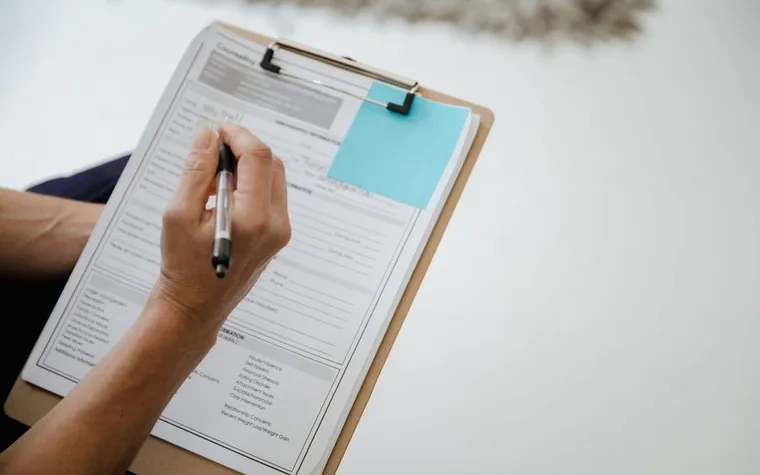
The survey parents filled out every year? Gone.
The biggest change is that the parent satisfaction survey is abolished and replaced with a school-level evaluation. Where parents used to individually score their child's homeroom and subject teachers, the assessment now happens at the whole-school level instead. Rating individual teachers goes away, and parent input shifts toward feedback on how the school operates overall.
Student surveys stay, but the format changes
Student-facing surveys aren't disappearing entirely. The existing student satisfaction survey is being renamed the student growth awareness survey, and its content is changing along with it -- free-text comment sections about teachers are being eliminated. Instead of open-ended writing, the questions now focus on students recognizing their own academic and personal growth. This directly responds to longstanding criticism that the free-text sections had become a channel for malicious personal attacks. The new multi-rater review also brings in qualitative input from peer teachers, intended to reflect the perspective of colleagues working alongside a teacher rather than relying solely on one-sided scoring from students and parents.
Timeline -- why 2027 instead of 2026
The Ministry of Education originally planned full rollout starting in 2026, but after factoring in schools' preparation time and negotiations with teacher associations, full implementation was pushed back a year, to 2027. In step with that, the underlying Directive on Teacher Performance Evaluation is being repealed, while the Regulation on Teacher Training is being amended accordingly.
So what's happening right now, in 2026?
2026 is still a pre-rollout stage, so depending on the school, the old and new approaches may currently be running side by side. The Ministry of Education has said it plans to hold briefing sessions for schools in the second half of 2026 to walk through implementation details, and each school's specific timeline likely won't be finalized until after those briefings happen. Whether your child's school sends out a parent satisfaction survey invitation this year will vary school by school, so checking your school's announcements directly through NEIS Parent Services or the School Information Disclosure site is the most reliable way to know. And even without the satisfaction survey, parents still have a direct channel to communicate with teachers -- the twice-a-semester parent-teacher conference week continues unaffected by this change.
Where this leaves you
If your child's school sent a parent satisfaction survey invitation this year, that school is still running the old system; if it didn't, the school has likely already shifted to the new school-level evaluation. The most reliable way to check your child's specific school's timeline is to ask the homeroom teacher or the school office directly, and it's worth watching for the detailed implementation plan the Ministry of Education is expected to release after its second-half-2026 briefings. Separately from this policy, if your child is having a hard time at school, the existing emotional and behavioral support referral process is already in place and worth knowing about.

This article summarizes Ministry of Education policy as reported in September 2026. Confirm implementation details with official Ministry of Education and district education office announcements, and with your child's specific school.
This is an English translation of an article originally written in Korean. 한국어 원문 보기 ›