Social-Emotional Education in Schools Grows From 6 to 17 Class Hours a Year in 2027: Materials Next January, 1,500 Lead Teachers by February, and a Contest Opening 26 October
The Ministry of Education said on 22 October 2026 that Korean social-emotional education (K-SEL) will grow from 6 to 17 class hours in 2027. See the timing, the materials and teacher-training schedule, the contest dates, what parents can check and what is undecided.
The social-emotional education that schools offer under names like "mind health class" is set to grow a lot next year. On 22 October 2026 the Ministry of Education said it will expand Korean social-emotional education (K-SEL), the preventive mind-health programme, from 6 class hours a year to 17 in 2027. This article draws on same-day reports by Newspim and Asia Today and on the ministry's earlier mind-health reform plan as reported by Education Plus, all checked on 22 October 2026, and keeps to what parents need to know.
What changes: from 6 class hours to 17
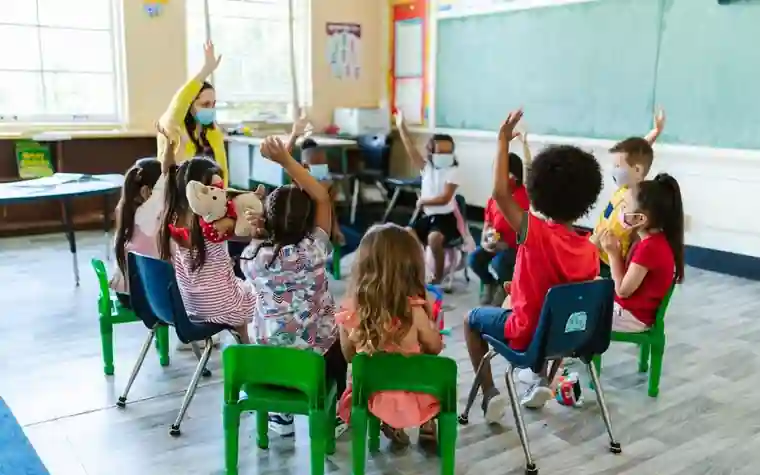
According to the reports, social-emotional education currently runs for 6 class hours a year, and in 2027 it will be 17.
The ministry gave two dates. Next January it will distribute subject-linked materials for the 17 hours, and by February it will train about 1,500 lead teachers.
The reports did not say which school levels or grades start first or how the hours are scheduled. Check your child's school curriculum notice next year.
What kind of class is it?
K-SEL is a universal mind-health prevention programme for all students, not for particular students. The ministry describes three core areas: self-awareness and self-management, communication and cooperation, and caring for the mind.
It is closer to practice at noticing feelings and working through conflicts with friends inside regular lessons than to treatment or counselling. So the question "my child has no problem, why take it?" does not fit the purpose.
A first contest for good practice opens on 26 October
The Ministry of Education and the Korea Environment Education Protection Agency are holding the 2026 K-SEL good practice contest for the first time.
It is open to teachers and education professionals at elementary, middle, high and special schools, and entries are accepted from 26 October to 6 p.m. on 4 November.
Ten entries that pass the document review go to a presentation review, and results are due at the end of November. Winners receive a Minister of Education award and prize money, and good cases are to be shared with schools nationwide.
Parents do not enter, so asking the school whether your child's teacher is taking part is enough.
This is one piece of a larger mind-health reform
As reported by Education Plus, the ministry's mind-health plan has five strands.
First, intensive help for students in crisis: expert emergency support teams grow from 56 to 100 by 2030.
Second, access to counselling: the 24-hour text service "Dadeureojulgae" adds phone counselling, and a social-media counselling platform "Lime" is run.
Third, early detection and prevention: the emotional and behavioral characteristics screening is made more active, and social-emotional education grows from 6 to 17 hours.
Fourth and fifth are operation under the Student-Tailored Integrated Support Act, a new "student mind-health support fund" in the local education grant, and moves to legislate it. A goal of specialist counselling staff in every school by 2030 was also presented. Year-by-year details were not confirmed in the reports.
What parents can check now
You need not prepare anything at home because of the extra classes. Knowing that your child learns to handle feelings at school makes it easier to keep the conversation going at home.
If your child already seems to be struggling, do not wait for classes. The route into school counselling is in Wee Class counselling and hospital counselling fees, and the procedure for when a school recommends counselling is in emotional and behavioral support procedure.
How a parent can ask the principal directly for support is in requesting student-tailored integrated support.
Home conversations can follow the three areas
Turn the three areas into questions. "How did you feel today?" is self-awareness. "What did you do when a friend disagreed?" is communication and cooperation. "What helps a little when things are hard?" is caring for the mind.
Rather than correcting the answer, repeat the words your child uses and the conversation goes on longer. It is fine to hear the same story twice.
What is still undecided
Many points were not confirmed in this announcement. The reports did not give hours by grade, the way it is assessed, who teaches it or the budget.
It is also unknown whether the 17 hours in 2027 come from regular subject time or from other periods such as creative experiential activities.
When the materials appear next January, compare them with your school's notice to be accurate.
Summary of the order
1) From 2027, social-emotional education grows from 6 class hours a year to 17. 2) Materials are due next January and lead teacher training by February. 3) A contest for teachers runs from 26 October to 4 November. 4) If your child seems to be struggling, use the school counselling desk first rather than waiting for classes.
This article summarizes reported policy and does not replace counselling or diagnosis. Check the details with the Ministry of Education and your child's school.
This is an English translation of an article originally written in Korean. 한국어 원문 보기 ›