Free Early Childhood Education Expands to Age 3 in 2027: Ages 4-5 Get Fee Deductions Without Applying, and Age 3 Is Still a Budget Proposal
Free early childhood education grew from age 5 in 2025 to ages 4-5 in 2026, and the 2027 budget proposal adds age 3. Unit amounts of 20,000, 110,000 and 70,000 won and the no-application deduction explained.
"I hear 4-year-olds are free this year, so what changes next year for my child who turns 3?" This is the question parents paying kindergarten and daycare fees ask most these days. The Ministry of Education began free early childhood education and care with 5-year-olds in July 2025 and widened it to ages 4 to 5 in March 2026, and the 2027 government budget proposal includes funding to extend it to 3-year-olds. Based on the ministry's announcements and reports on the budget proposal, this article separates what is already in effect from what is still only a plan.
Ages 5 started in July 2025, and ages 4 were added in March 2026
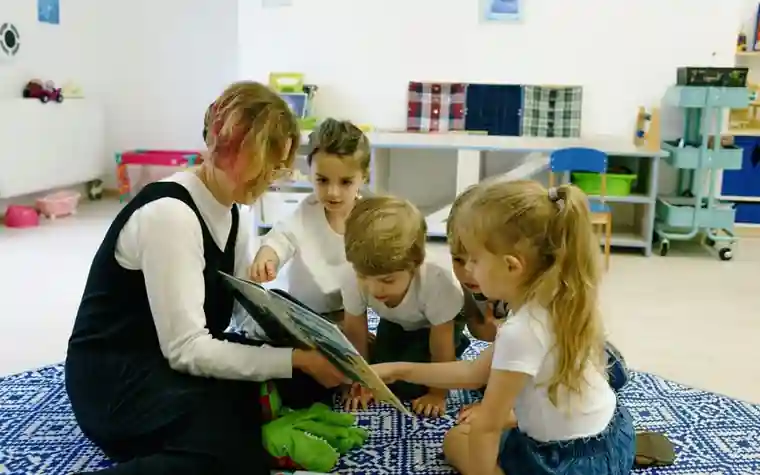
Free early childhood education and care did not start all at once; it is a step-by-step expansion that adds one year of age at a time. In July 2025, 5-year-olds became the first group covered, and from March 2026 the support was widened to ages 4 to 5. By the ministry's figures, about 503,000 children are covered (248,000 aged 4 and 255,000 aged 5), and the budget grew from 128.9 billion won in 2025 to 470.3 billion won. After the 5-year-old support began, the ministry said kindergarten fees fell 26.6% compared with December 2024, but that does not mean the same figure appears after the expansion to age 4, so check at each institution.
Support per institution is 20,000, 110,000 and 70,000 won a month
The amount depends on the institution your child attends. Public kindergartens receive 20,000 won a month toward after-school program fees, private kindergartens receive 110,000 won a month toward early education fees, and daycare centers receive 70,000 won a month toward other necessary expenses. The ministry said the 2026 unit amounts are the same as in 2025. About 226,000 children are covered at private kindergartens, about 102,000 at public kindergartens and about 175,000 at daycare centers. A 4-year-old in daycare should look at the "other necessary expenses" line rather than the fee itself, and a private kindergarten family should check whether 110,000 won comes off the early education fee line. The unit amount fills the gap between what the institution charged parents and what the government and provincial offices of education already pay. The 20,000 won for public kindergartens applies only to the after-school program fee, so comparing it directly with 110,000 won at private kindergartens is misleading. The amounts differ because the covered items differ.
Parents do not need to apply separately
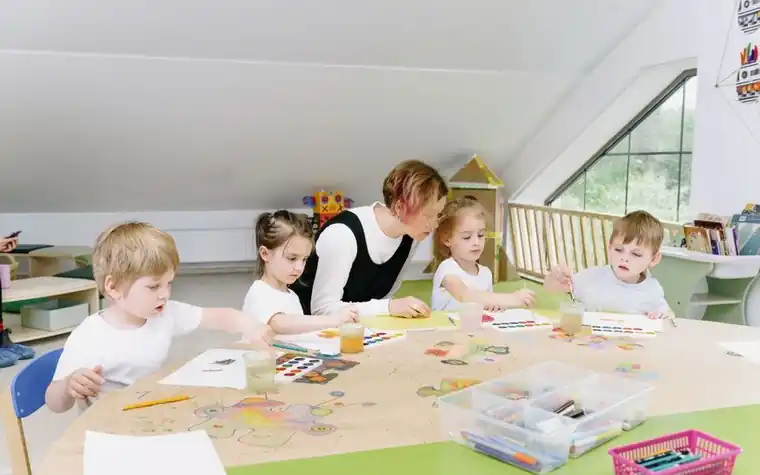
This support is not paid to parents in cash. The ministry explained that, without any separate application documents, the support amount is deducted from the kindergarten fees or daycare "other necessary expenses" parents already pay. So the surest check each month is to look at the bill and see whether the support amount has come off each item. The support is aimed at costs parents paid on top, namely early education fees and after-school fees at kindergartens and other necessary expenses at daycare centers, so ask the institution separately about any other items on the bill. If no deduction appears or the amount does not match, first ask the institution, and if that does not settle it, check with the local office of education or local government.
Treat it as separate from Nuri curriculum support
Free education and care is not a replacement for the existing Nuri curriculum subsidy; it is meant to reduce the costs parents were paying on top (kindergarten early education fees and after-school fees, and daycare other necessary expenses). How the Nuri subsidy differs between public and private is covered in Nuri curriculum unit amounts: 100,000 won for public, 280,000 won for private. You need to look at both programs together to understand why the real burden differs from one institution to the next.
The 2027 expansion to age 3 is still at the budget proposal stage
The 2027 Ministry of Education budget proposal widens the target of free early childhood education and care from the current ages 4 to 5 to include 3-year-olds, and sets the related budget at 642.9 billion won, up 172.6 billion won from this year. However, a budget proposal is only final after it passes the National Assembly. I could not confirm in official sources, at the time of writing, the per-institution unit amounts or the start date that would apply to 3-year-olds, so I will not state numbers in advance. Please check the final details in notices from the Ministry of Education and your provincial office of education.
What families with a 3-year-old should prepare now
If you are choosing a kindergarten or daycare for a 3-year-old, first ask during the consultation what items make up the monthly charge. For kindergartens you can see institution-level disclosure data on Kindergarten Alimi, and for daycare centers in the daycare information disclosure system. Once support for age 3 begins, knowing which items will be deducted is what lets you compare how much the real burden has fallen.
Daycare waitlists and high school free education are separate matters
Wider free support does not make admission itself easier. At daycare centers the waitlist is set by points and class capacity, not by the order of application, so if you plan to enroll a 3-year-old, check first-priority points and class capacity in the daycare waitlist in advance. Kindergartens also have their own application periods and windows, so expanded support and the admission process are separate tasks.
One more point: free early childhood education and care differs from free high school education in both funding structure and method. For high school, tuition is supported but some items were never free, which is set out in the national share and covered items of free high school education. Read the early childhood side the same way, separating covered items from those that are not. Even when programs share the name "free education," the age group, funding and method differ, so carrying one program's explanation over to another is easy to get wrong.
What parents should check, in order
First, if you have a child aged 4 or 5, check on the fee bill whether the support amount has been deducted. Second, if you have a 3-year-old, wait for the 2027 budget to be finalized and for the Ministry of Education's guidance. Third, the unit amount differs by institution type (public, private, daycare), so first confirm which type your institution is. This article is general information based on the ministry's announcements and reports on the 2027 budget proposal, and it does not calculate any household's actual burden. In addition, the expansion to age 3 is a plan that takes effect only if the budget proposal passes the National Assembly, so it is safer not to assert that 3-year-olds will be free next year until it is confirmed. Support may change with the final budget and guidelines, so rely on the latest notices from the Ministry of Education and your provincial office of education.
This is an English translation of an article originally written in Korean. 한국어 원문 보기 ›