
High School Students Can Sit National Technical Qualification Exams: No Restriction for Craftsman, Conditions from Industrial Engineer
Craftsman-level technical qualifications have no eligibility restriction, so high schoolers can apply; industrial engineer and engineer need education or work experience. Two-year exemptions and special rules for vocational schools explained.
Once a school tells students that "a certificate helps," the first thing a high schooler asks is, "Can I take the exam too?" The short answer: for craftsman-level (gineungsa) qualifications in the technical and trade fields, there is no eligibility restriction, so a high school student can apply. The next levels up, industrial engineer and engineer, come with conditions on education or work experience. This article sets out the conditions by level and the special provisions students should know, based on the National Technical Qualifications Act and its Enforcement Decree.

Eligibility is set by the Enforcement Decree, not the Act
Article 10(3) of the National Technical Qualifications Act says the standards, methods, procedures and eligibility for the examinations are set by Presidential Decree. The actual conditions are therefore found in Appendix 4-2 of the Enforcement Decree, which lists eligibility for technical and trade-field qualifications by level. Eligibility for service-field qualifications, by contrast, is set item by item in Ministry of Employment and Labor ordinances rather than in the Decree, so if you are interested in a service-field item, read that item's own announcement separately.
Craftsman has no restriction; conditions begin at industrial engineer
The craftsman row of Appendix 4-2 reads "no restriction." It asks about neither grade nor type of school, so a high school student may submit an application. An industrial engineer must meet one of the following: hold a craftsman-level or higher qualification and then work at least one year in the same job field; have at least two years of practical experience in the same field; be a graduate or expected graduate of a related department at a junior college or university; have completed or be about to complete an industrial-engineer-level technical training course; or be a prize winner at a skills competition designated by ministerial ordinance.
Engineer level is hard for students to reach directly
The engineer level has conditions such as being a graduate or expected graduate of a related university department, holding a craftsman qualification plus three years of experience, holding an industrial engineer qualification plus one year of experience, or four years of experience in the same job field. Most students cannot meet these while still in high school, so the realistic starting point for a high schooler is the craftsman level. The notes to the appendix define an expected graduate as someone in the final year of the relevant school on the written exam date, which is judged by that school, so a third-year high school student does not automatically count as an expected university graduate.

Passing the written exam exempts you from it for two years
The Decree exempts a person who passed a written exam from the same item's written exam for two years from the date of passing. If fewer than two exams were held in that period, the next one is also exempted. The exam proceeds in the order written, practical and interview, and a person who fails an earlier stage cannot sit the next. That means someone who passes the written exam but fails the practical can retake only the practical within the exemption period, so you can plan to take the written exam in second year and carry on to the practical in third year.
Two special provisions open to vocational high school students
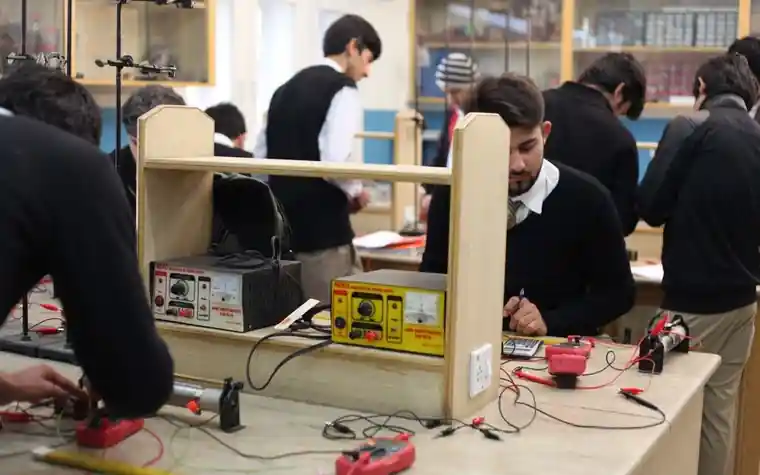
Article 14(5) of the Decree allows graduates or expected graduates of industry-customized or specialized high schools who completed at least 70 percent of a one-year field-practice course to take the craftsman practical exam at a venue requested by the school principal. Article 16 exempts a person who completed at least 70 percent of a specialized high school course from the written exam for Computerized Accounting Specialist Level 3 for two years from completion. Under the same article, a prize at a skills competition can exempt all or part of an industrial engineer or craftsman examination for two years from the award date. For the route into specialized high schools, start with what ninth graders should check before applying to a specialized high school.
How a certificate connects to admission and jobs is a separate question
The provisions in this article cover eligibility and exemptions only. How a certificate counts in a university admission track differs by university, so for specialized high school graduates' routes to college see the three routes to university for vocational high school graduates, and for programs where a company admits students on condition of hiring them, see employment-conditional contract departments.
What to check before you apply
First, confirm whether the item you want is in the technical and trade field or the service field. Second, for a craftsman exam there is no restriction, so check the exam round and application period on Q-Net of the Human Resources Development Service of Korea. Third, for industrial engineer or above, match yourself against the rows of Appendix 4-2 and ask the school or the agency which documents are needed. Fourth, record the date you passed the written exam so you do not let the two-year exemption lapse. Fees and exam schedules change every year, so this article does not cover them and does not state figures that could not be confirmed. Some schools take group applications, so it is also worth asking your homeroom or career teacher first.
A note in closing
This article is general information based on the text of the National Technical Qualifications Act and its Enforcement Decree (as in force from January 2, 2026). Detailed eligibility, exam schedules and fees may be revised or differ by item, so before applying be sure to check the Q-Net announcement of the Human Resources Development Service of Korea and ask your school's career and employment teacher.
This is an English translation of an article originally written in Korean. 한국어 원문 보기 ›