How to Take a Subject Your School Doesn't Offer -- Joint Curricula, the Online School and Off-Campus Education Under the High School Credit System
Subjects a school cannot open are completed through joint curricula, the online school or off-campus education. How they differ, rank grades, 2026 support, and what to check before applying.
"My school doesn't offer the subject I want to take. Do I have to give it up?" Since the high school credit system extended to every year, this is the question first- and second-year students and their parents ask most often. It is a system in which students choose their subjects, but a student cannot choose a subject the school does not open. The Ministry of Education guides schools to fill that gap in three ways: joint curricula, the online school and off-campus education. Based on Ministry press releases and guidance materials, this article sets out how the three differ and what to check, in order.
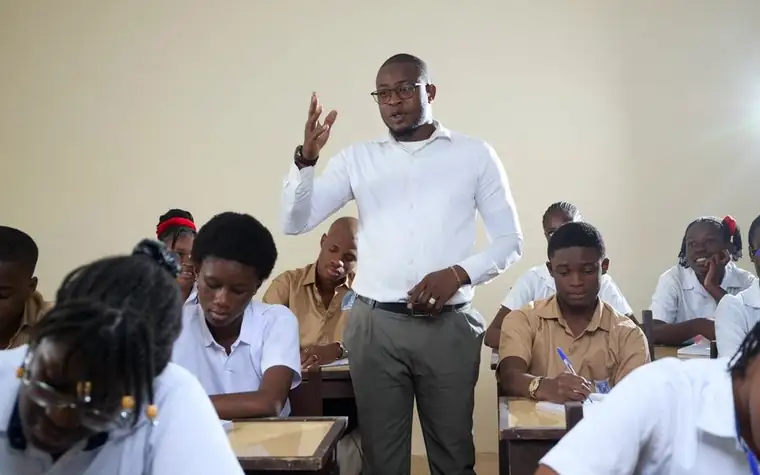
Even among general high schools, the subjects offered differ from school to school
A school with few students, or one that cannot find a teacher for a subject, cannot open every course. That is why it matters to look at the curriculum timetable of candidate schools beforehand. How to check is set out in our article on checking School Info before high school assignment. If you have already enrolled, the three routes below are the way to make up for it.
There are three ways to earn credit outside your own school
According to Ministry guidance, first, a joint curriculum is a system that runs subjects a single school finds hard to open, because few students want them or teachers are hard to secure, in cooperation between schools or with the local community. Second, the online school provides real-time, two-way remote classes to students who want to take subjects not offered at their own school. Third, off-campus education is a way of completing, through local community institutions, subjects and creative experiential activities that schools find hard to open, such as new industries, new technologies and specialized vocational fields.
Joint curricula come in a hub-school type and a school-alliance type
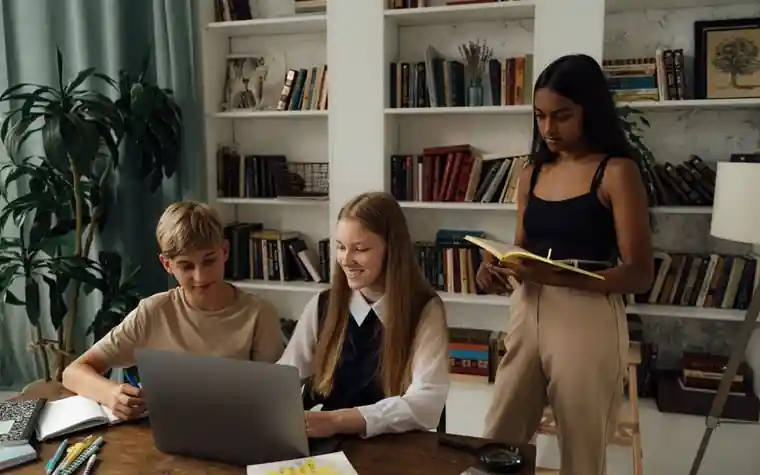
In the hub-school type, a subject that is hard to open locally is offered at a hub school that has the capacity, and interested students apply and attend class there. In the school-alliance type, two to four neighboring schools build their curricula together and open particular subjects to students of the partner schools. Classes run offline, online or as a mix of both, depending on the region and the subject. Which school is the hub and which subjects are open must be confirmed from school and provincial office of education notices.
Joint curriculum subjects do not produce a rank grade
Guidance from the Ministry of Education's citizen supporters explains that joint curriculum subjects do not produce a rank grade regardless of the number of students enrolled. The aim is to let students choose the subjects they want without the burden of class rank. How such subjects are handled in credit calculation can be seen in our article on subjects with no grade, and how the completion standard changed is in our article on the eased 2026 completion standard. How a subject is actually recorded on your own school record follows the school's academic record management rules, so please check with the teacher in charge.
The online school is a way to take subjects missing from your school, live
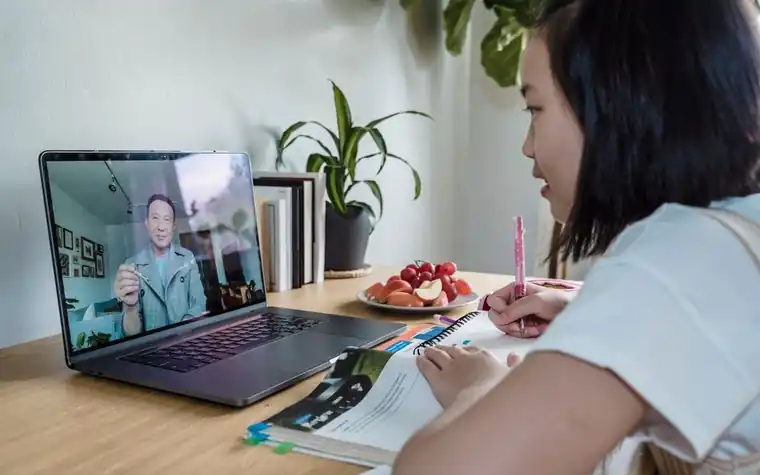
The online school is distinctive in that it is not a matter of watching recorded lectures but real-time, two-way remote classes. You log in at a set time and take the class while interacting with the teacher. The support measures for the high school credit system that the Ministry of Education announced on January 28, 2026 state that 777 additional regular teachers will be assigned in 2026 to the online school and to joint curriculum hub schools. The number of courses and how to enroll differ by province, so check the online school guide of your provincial office of education.
There are also off-campus education and high school-university linked subjects
Off-campus education is a course run by local community institutions. The same support measures state that credit-recognized high school-university linked subjects are planned from the first semester of the 2026 school year with 10 cities and provinces and about 20 universities taking part. Which universities and which subjects apply differs by province, so this article does not state specific course names. The school's career teacher or the provincial office of education notice is the most accurate place to check.
How large is it, and where is the support concentrated
According to material the Ministry of Education released in April 2025, joint curricula in 2024 had 4,750 courses and 58,006 participating students, and guidance centers had been set up in all 17 cities and provinces. The 2026 support measures also include 15.7 billion won to support hiring instructors so that 442 rural, fishing-village and small schools can open a wider range of subjects. Some regions subsidize transportation for students who live far away, and offices of education and schools are guided to give safety accident prevention education for travel.
What to check before applying, in order
(1) Look at your school's curriculum timetable to see whether the subject you want is offered. (2) If not, ask your homeroom teacher or the curriculum teacher whether a joint curriculum or online school course is available. (3) Confirm the application period, the venue or login method, and how you will get there. (4) Check the school rules on how the subject will be recorded on your transcript and how attendance will be recognized. (5) If the subject is tied to a completion standard, also read the attendance conditions in our article on the completion standard. This article is general information compiled from materials released by the Ministry of Education; the subjects actually offered and how they are run vary by provincial office of education and school policy, so please confirm individual cases with the school your child attends and the local office of education.
This is an English translation of an article originally written in Korean. 한국어 원문 보기 ›