
School Media Literacy Education in 2027: Visiting Classes Grow From 360 Schools to 5,000 Classes, With Materials for Parents
A parent-focused summary of the Ministry of Education's School Digital Media Literacy Education Master Plan announced on 3 November: the 54.0-61.1% survey result, 5,000 visiting classes, about 20 lesson packages a year, parent materials, and what to ask the school.
When a survey says more than half of students have come across fake news, parents naturally wonder about their own child. On 3 November 2026 the Ministry of Education announced the "School Digital Media Literacy Education Master Plan" and said it will greatly expand media education inside regular classes from 2027. This guide is based on the ministry's press release and the attached master plan, checked on 6 November 2026, and keeps only the numbers and schedule parents need. The plan is a draft, and the original document itself says details may change.
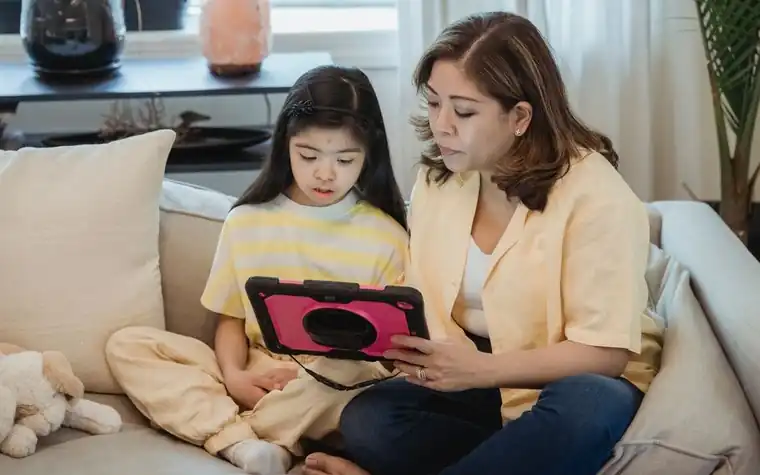
54.0% of elementary, 55.6% of middle and 61.1% of high school students said they had met false or manipulated information
From 8 to 24 June 2026 the ministry surveyed 9,428 elementary, middle and high school students nationwide on how critically they understand media.
The share who had encountered false or manipulated information was 54.0% in elementary school, 55.6% in middle school and 61.1% in high school, rising with each school level.
At every level the most common source was a video-sharing platform such as YouTube or TikTok (elementary 34.2%, middle 33.2%, high 30.6%), and middle and high school students also named social media such as Instagram and Facebook (27.0% and 29.4%).
The higher the grade, the less they learned it in class
The share who said they had received media literacy education during regular class time was 72.1% in elementary, 58.5% in middle and 40.8% in high school.
Those who received it in creative experiential activities or free-choice time rose from 13.2% to 27.4% to 43.9%.
At all three levels, what students most wanted to learn was "how to check whether news or a video is real" (elementary 17.9%, middle 17.3%, high 20.3%). The ministry said it will use these results to increase participation through regular subject classes.
Visiting classes go from 360 schools to 5,000 classes
The most noticeable change is the "visiting digital media literacy education" in which specialist instructors come to the school.
In 2026 the ministry worked with the Viewer Media Foundation to support 360 elementary, middle and high schools with up to three sessions (six hours).
In 2027 the unit changes from schools to classes, with a target of 5,000 classes. The 2027 budget proposal for this program is 3.504 billion won.
Other ministries run programs too. The broadcasting and communications commission's visiting media education for remote and underserved areas grows from 36 schools in 2026 to 250 in 2027, and the culture ministry's media education schools grow from 670 to 700.
How classes will be selected and how to apply was not confirmed in these documents, so wait for your school's notice.
About 20 teaching packages a year, and materials for parents too
From 2027 the ministry will release around 20 package-type lesson sets every year. Each bundles an explainer video, lesson slides, a student worksheet and formative-assessment questions by class session so teachers can use them right away.
The master plan also includes a sentence saying materials for parents will be provided together with teacher materials so that guidance on media use at home connects with school lessons. The exact form and release date have not been announced.
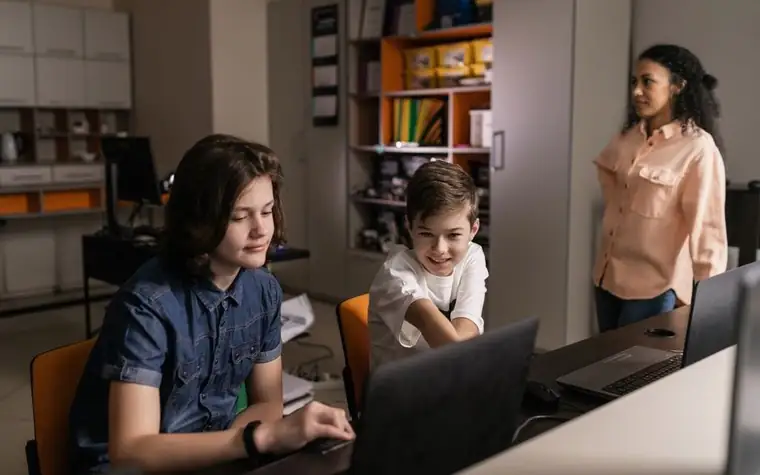
Teacher training and assessment tools arrive in 2027-2028
Teacher training run with the viewer media centers grows from 561 people in 2026 to 1,000 in 2027, and training with the Korea Press Foundation targets 6,000 teachers every year.
A tool that lets teachers check students' media skills themselves will be developed and piloted in 2027, then refined and rolled out to schools in 2028.
Standard teaching and learning models by school level also start development in 2027. In short, it will take time before you see changes at your child's school.
The budget grows from 519 million won in 2026 to 5.092 billion won in 2027
The 2027 budget proposal, including matching regional funds, is 5.092 billion won, almost ten times the 519 million won of 2026.
The visiting classes take the largest share, followed by a competition for subject-linked programs (about 50 a year, roughly 1.5 million won each) and lesson material development (20 sets).
The document states that the budget may change as the programs proceed.

What to ask the school and what to try at home
Ask the homeroom teacher or check school notices on whether your child's class received visiting media education this year and whether the school plans to join the class-based program next year. Names and programs differ by city and provincial office; some, such as Gyeonggi, already hold media lectures for parents.
At home, the most realistic step is to practice what students said they want most, checking whether something is real. When you watch a video or read an article together, look up who made it, what the evidence is and when it was published.
If basic literacy is also a worry, see the literacy screening and free support schools already run.
Other school policies are worth a look too. In 2027 social-emotional education also grows from 6 to 17 class hours; the details are in our summary of the expansion.
For where AI textbooks stand now, see what happened to AI digital textbooks.
Summary in order
1) More than half of students met false or manipulated information, and classroom learning of media literacy falls with grade level. 2) In 2027 visiting classes reach 5,000 classes and teaching packages about 20 a year. 3) Parent materials are planned; selection method and timing are undecided. 4) Ask your school about this year's participation and next year's plan. 5) At home, check source, evidence and date together with your child.
This guide summarizes the ministry's press release and draft master plan; the school and your city or provincial office's notices take priority for how it runs locally.
This is an English translation of an article originally written in Korean. 한국어 원문 보기 ›