
Young People Who Left School Can Still Get Counseling, Exam Prep and Health Checks Through Support Centers -- Who Is Covered and the Principal's Duty to Refer
The Act covers youth absent 3+ months or who withdrew, offering counseling, exam prep and health checks, and requires principals to refer them to a center.
When a young person leaves school, or stops being able to attend for a long stretch, it is easy to be unsure where to ask about the next step. The Act on Support for Out-of-School Youth was written for exactly this situation. It provides that the national and local governments may offer counseling, education, job experience, independence support and health examinations, and it places out-of-school youth support centers as the window that connects young people to them. Based on the text of the Act, this article sets out who is covered, which kinds of support are written into the law, and what schools are required to do. Because the details differ by region, the closing section lists where to confirm them.
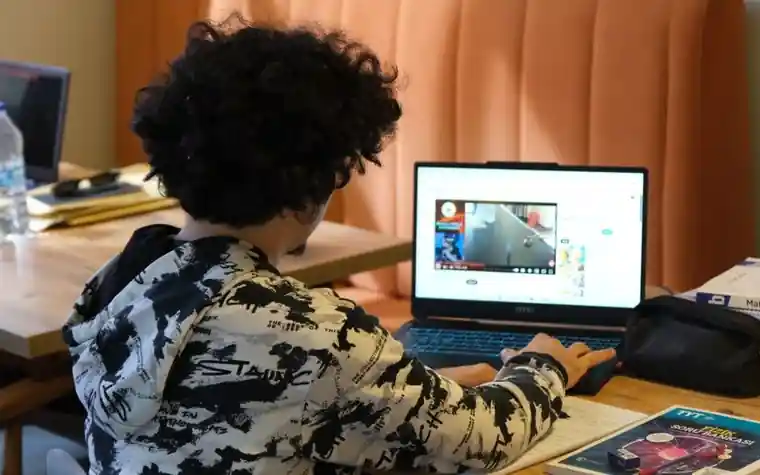
Three groups are covered by the Act
Article 2 divides out-of-school youth into three groups. First, young people who, after entering elementary or middle school, have been absent for three months or more or whose compulsory schooling has been deferred. Second, young people who were expelled or removed from high school or who withdrew. Third, young people who did not go on to high school. "Youth" here means the 9-to-24 age range used in the Framework Act on Youth. In other words, a student who is still enrolled can fall within scope once an absence of three months or more continues.
Support falls into four areas: counseling, education, jobs and independence
The Act groups its programs into counseling support, education support, job experience and employment support, and independence support. Article 8 covers psychological, career and family counseling; Article 9 covers returning to study; Article 10 covers vocational aptitude tests, job experience and training, and job placement; and Article 11 covers living, cultural space, medical and emotional support. Each article says the government "may" provide support, so it helps to start by knowing that not every item is an automatic entitlement on application.
Education support includes returning to school, alternative schools and exam preparation
Article 9 lists three kinds of education support: re-enrollment in elementary or middle school or re-admission to high school, entering an alternative school, and preparing for the qualification exam that grants education equivalent to graduating from elementary, middle or high school, in other words the GED-type exam. The eligibility rules for the exam itself are set separately, so it helps to read this alongside our article on the high school equivalency exam requirements. The methods and procedures for returning to study are delegated to a ministerial ordinance.

Health examinations have their own provision in Article 11-2
The national and local governments may carry out health examinations for out-of-school youth to promote health and prevent disease, and may entrust the work to the National Health Insurance Service. Article 11 also states that the medical support within independence support includes medical costs for tests used to confirm a diagnosis after a health examination. It can be read as filling the gap when the school health checks that students receive during enrollment stop. The specific eligibility and method follow a ministerial ordinance.
What support centers do, and the limit on using the name
Under Article 12, the national and local governments may establish support centers or designate youth counseling and welfare centers, youth organizations, and bodies with qualified staff and facilities as support centers. A center carries out the counseling, education, job and independence support above, links community resources, and develops and publicizes programs. Centers commonly operated under the name "Kkumdeurim" fall into this category. Article 19 bars anyone other than a support center from using the same or a similar name, and violations carry an administrative fine of up to 3 million won. It is a useful provision for telling real centers apart from private businesses with similar names.

School principals must refer students to a support center
The provision most worth noting is Article 15, paragraph 1. When a student at an elementary, middle or high school becomes an out-of-school youth, the principal must inform the student about support programs and refer them to a support center. The text is written as a duty rather than "may." The head of an agency within the community youth support system must likewise give the same information and referral without delay on finding an out-of-school youth who needs support. If you are considering withdrawing, you can ask the school for this guidance while going through the steps in our article on the dropout deliberation period.
How personal information is handled when a referral is made
Before a principal passes a young person's name, date of birth, sex, address and contact details to a support center, the principal must first notify the young person (or, for one item, the legal guardian) of the purpose, retention period and so on. The head of the center must obtain consent within six months of receiving the information, and must destroy it immediately if the person requests that processing stop or if consent is not obtained within six months. Cases where a young person leaves school because of illness or going abroad are excluded from this provision. The duty of confidentiality for people working in support is in Article 16, and violations carry up to three years in prison or a fine of up to 30 million won.
Where and how to check
(1) Ask your local youth counseling and welfare center or out-of-school youth support center whether you are covered and which programs are available. (2) If you are still enrolled, ask the homeroom teacher or principal for the guidance and referral under Article 15. (3) For exam schedules such as the equivalency exam or the mock exam, check our guide to the mock exam for out-of-school youth. This article is general information summarizing the text of the Act; the items, amounts and eligibility may vary with the enforcement decree, enforcement rules and local government notices, so please follow the guidance of the relevant support center or agency for your own case.
This is an English translation of an article originally written in Korean. 한국어 원문 보기 ›