
What Happens When an Elementary School Finds a Child Below Basic Academic Skills -- Learning Support Selection Closes Within Two Months of the School Year
The Decree requires learning support students to be selected within two months of the school year starting. Selection basis, school support and what guardians can check, in order.
"I was told my child has been selected as a learning support student. Does that carry a stigma?" This is a common worry among parents of elementary school children. The term is a legal one under the Basic Academic Skills Guarantee Act, and selection is a procedure in which the school principal decides to begin learning support education. The Act and its Enforcement Decree state fairly concretely who selects, on what basis, by when, and what the school must do afterwards. Based on the text of the law, this article sets out that flow.
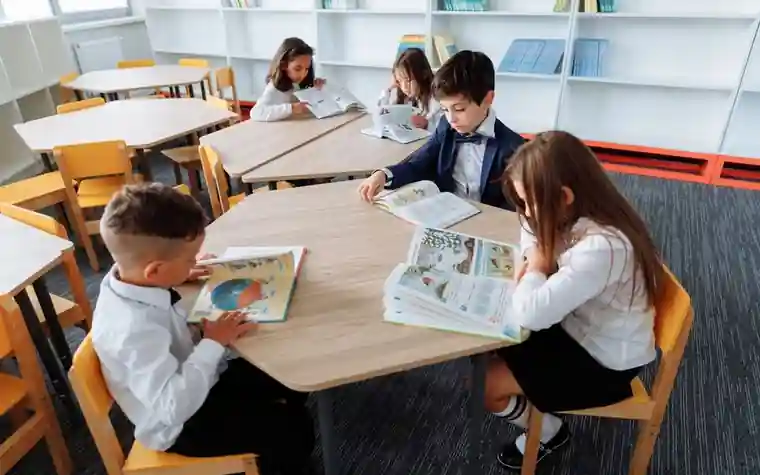
Basic academic skills means a minimum achievement standard that includes reading, writing and arithmetic
Article 2 of the Act defines basic academic skills as the level of learning that meets the minimum achievement standards students are expected to reach through the school curriculum. Article 2 of the Enforcement Decree spells this out as basic knowledge and skills, including reading, writing and arithmetic, needed to understand and use the content of subjects such as Korean and mathematics. It is not a yardstick for comparison with top students but a floor for continuing to learn. The Minister of Education sets the specific standards, and superintendents may set local details within that range.
Diagnosis uses written tests, but also observation and interviews
Article 7 provides that the school principal may conduct a basic academic skills diagnostic test in order to find learning support students early. Under Article 6 of the Decree the methods are written assessment, observation and interviews, and before testing the principal must tell students and guardians the subjects, method and schedule in advance. Notifying guardians of the results is written in the current text as "may notify," and how that rule is changing is covered separately in our article on mandatory notification of diagnostic results.
Selection draws on several sources, not a single score
Article 8, paragraph 1 says the principal may select students who need learning support education by combining the diagnostic test result, recommendations from the homeroom teacher and subject teachers, and the result of consultation with guardians. The key point is that a test score alone does not decide automatically. Conversely, if you see a child repeatedly stuck on reading or arithmetic at home, passing that observation to the homeroom teacher in consultation becomes material for the decision. The order of checks when reading is the worry is in our article on elementary literacy screening.

The selection deadline is two months from the start of the school year
Article 7, paragraph 1 of the Decree requires selection to be completed within two months from the first day of each school year. For a school whose year starts in March, that means early May. However, if the principal recognizes a new need for support because of admission, transfer or similar reasons, students may be selected additionally after the two months have passed. A child who has just transferred, or whose difficulty appears mid-year, should not assume the chance has been missed.
Some students are excluded from the category
Article 2, item 2 states that students selected as special education recipients with a learning disability under the Act on Special Education for Persons with Disabilities are excluded. They receive support under the special education system. If you suspect a learning disability and want an assessment, that is a different route from selection under the Basic Academic Skills Guarantee Act. The procedure is explained in our article on special education eligibility.
Once selected, the school must provide support matched to the cause
Article 8, paragraph 2 says the principal must provide learning support education, taking into account the student's level and the cause of the shortfall. Selection is discretionary, but support after selection is written as an obligation. Where needed, the school may offer education and counseling for guardians or connect to outside specialist institutions, may have a learning support teacher, school nurse and professional counselor work together, and may assign support staff to classes that need special help. Where emotional or behavioral problems seem to be the cause, the referral routes are worth reading together with our article on school counseling recommendations.
If the school cannot provide enough, it asks the superintendent for support
Article 7 of the Decree lets a school set up a council on support for learning support students to deliberate on selection and support, and, for selected students who need tutoring or psychological counseling the school cannot provide, to request administrative and financial support from the superintendent. A learning support teacher must complete job training within one year of designation, and at the city and provincial level basic academic skills support centers help with this support. Which centers are designated is posted on each office of education's website.
What guardians can check, in order
(1) Check the subjects and method in the notice about the diagnostic test schedule at the start of the year. (2) Tell the homeroom teacher specifically about difficulties with reading, writing or arithmetic seen at home. (3) Ask the school whether the child has been selected, what support is planned and who the learning support teacher is. (4) If school support feels insufficient, ask the district office of education or the city or provincial support center for guidance. This article is general information summarizing the Basic Academic Skills Guarantee Act and its Enforcement Decree; actual selection criteria and support methods may differ by school and office of education guidelines, so please confirm individual cases with the school your child attends and the local office of education.
This is an English translation of an article originally written in Korean. 한국어 원문 보기 ›