
Grades 1 and 4 in Elementary and Grade 1 in Middle and High School Get School Health Checkups: Results Reach Parents Within 30 Days
The School Health Act covers elementary grades 1 and 4, middle grade 1 and high school grade 1, with dental exams for all grades. Institution selection, 30-day results, the mental health screening and record transfer explained.
When the start-of-term notice says "health checkups this semester," parents wonder which grades are covered, who takes the child to the clinic, and when the results arrive. The School Health Act sets first and fourth grade of elementary school, first grade of middle school and first grade of high school as the grades that receive a health examination at a designated examination institution, and the institution must notify parents of the results within 30 days of the examination. This article is based on the School Health Act and the Enforcement Rule on School Health Examinations, and sets out how the school examination is divided and what parents should keep track of.
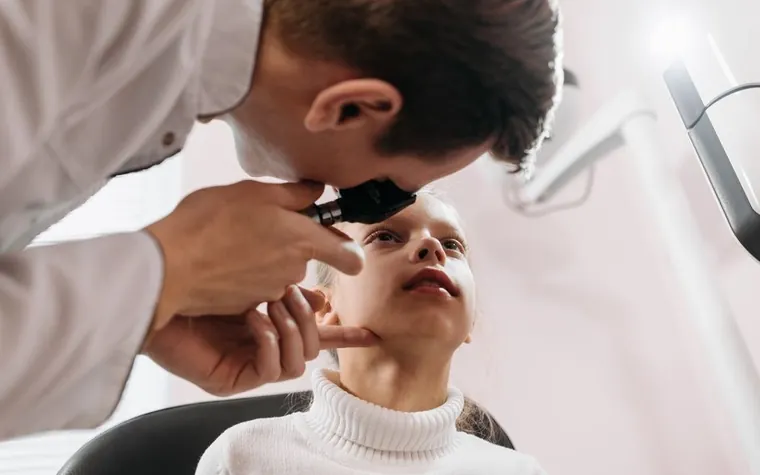
The school health examination has five parts
Article 3 of the Enforcement Rule divides the examination into physical development, physical fitness, a health survey, a mental health screening and a medical checkup. The first four are carried out by the school principal at the school; only the medical checkup is done at an institution designated under the Framework Act on Health Examinations. The hospital test people usually call "the checkup" is therefore one of five parts, and measuring height and weight or filling in a health questionnaire happens inside the school.
The medical checkup is set by grade
Under Article 7(2) of the School Health Act, elementary students in grades 1 and 4 and middle and high school students in grade 1 are referred for the medical checkup. There is one proviso: the dental examination is carried out for all grades, with the method and cost set by the superintendent according to local conditions. A second-grader in elementary school or a second-year middle school student can therefore still receive a dental examination notice. Article 5 of the Rule lists the items: spine, eyes and ears, nose, throat and skin conditions, oral health and pathology tests. Article 5-2(8) applies the amount set by the Minister of Health and Welfare under the National Health Insurance Act, and this article cannot confirm whether parents actually pay or how much, so please check the school notice.
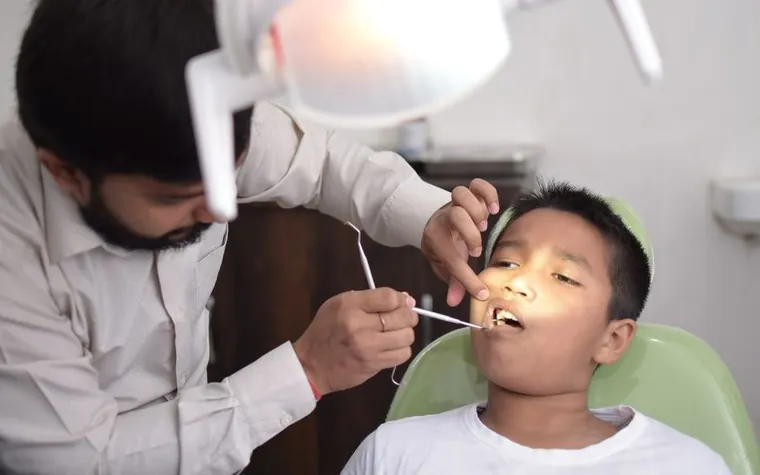
The school selects two or more examination institutions
Under Article 5-2(1) of the Rule, the principal must select at least two examination institutions, and may seek deliberation or advice from the school steering committee when doing so. As a rule, the students go to the institution in person. Where no institution exists in the school's area, where students of special schools or classes are examined, or where the superintendent approves it as unavoidable, a single institution may be selected and conduct the examination on site. Which institution and when varies by school, so check the institution and schedule written in the notice first.
Results must be delivered within 30 days of the examination
The institution must prepare a student health examination result report and a student oral examination result report and send them to the student or parent and to the principal within 30 days of the examination date. Article 5-2(7) adds that where a disease is suspected or a detailed examination is needed, the parent must be notified. A "detailed examination needed" note does not mean the school will diagnose the child, so follow-up has to be done at a medical institution. Under Article 10(2), the principal must also ask the guardian of a student who needs treatment or protection to take appropriate measures.
Height, weight and the health survey are done at school by the end of the first semester
Physical development means measuring height and weight, and under Article 4 it must be carried out by the end of the first semester of each school year. The health survey, which asks about medical history, diet and health behavior, is due by the same point. The physical fitness test covers elementary grades 4 to 6 and all middle and high school students, with the required assessment in principle held at the start of the school year. Since the March 2025 amendment, a school may decide for itself whether to run it for third-graders. Based on these results, the superintendent must maintain a student fitness assessment system that provides individual physical activity prescriptions and that students and parents can look up.
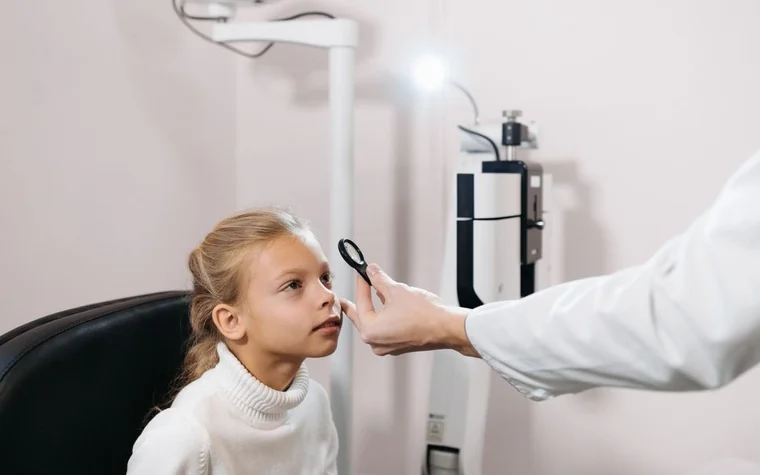
The mental health screening can be done without parental consent
The mental health screening uses methods such as a questionnaire, and Article 7(6) of the School Health Act says it may be carried out without parental consent where necessary. In that case the principal must notify the parent without delay, and Article 4-3 of the Rule also says the details of the screening must be given to parents in advance. A questionnaire does not mean something is wrong with the child, but depending on the results it can lead to the school's emotional and behavioral support. That procedure is set out separately in the procedure under which a school can recommend counseling.
Examination results follow the student in the health record
Physical development and fitness results are entered in the student health record, while the medical checkup results are kept separately from it. The record also notes whether vaccinations are complete and the date and name of the institution for the checkup. Under Article 7-3(3) of the Act, when a student transfers out or advances to a higher school, the principal must pass this data on, so ask the school about it together with the documents and procedure for transferring at each school level when you move. A high school gives the student the health record at graduation, and for a student who does not advance or does not graduate, the last school of enrollment keeps it for five years. For the national vaccination program for children, see the national flu vaccination article.
When the checkup can be postponed, and what to check when the notice arrives
A principal may postpone the examination or omit part of it only for unavoidable reasons such as a natural disaster and with the approval of the superintendent or the district education officer. Article 14 of the Rule says the medical checkup may then be deferred to the next school year. Whether a checkup a parent arranged privately counts in place of the school's is not stated in the text, so ask the school nurse which documents to submit. Separate tests such as urine and vision tests, and tuberculosis screening in high school, are given to grades designated by the superintendent and may differ by region.
First, check whether your child's grade is covered by the medical checkup; a dental notice may arrive regardless of grade. Second, confirm the institution list, the schedule and how to fill in the questionnaire. Third, watch for the result report within 30 days, and see a medical institution if a detailed examination is advised. Fourth, read the school's advance notice in terms when a mental health questionnaire is given. This article is general information on the School Health Act and its Enforcement Rule, not medical diagnosis or treatment advice. Items, costs and schedules differ by school and local office of education, so rely on the school notice and the school nurse, and consult a doctor about your child's health.
This is an English translation of an article originally written in Korean. 한국어 원문 보기 ›