
A Child's Glasses and Contact Lenses Count as Medical Expenses at Year-End Settlement — Up to KRW 500,000 a Year, and the Receipt Needs the Name and Vision-Correction Confirmation
The cost of a child's glasses or contact lenses is a medical expense credit item up to KRW 500,000 a year per person eligible for the basic deduction. This explains the 3 percent of gross pay threshold, excluded cosmetic lenses and the receipt details required under the Income Tax Act.
If your child gets new glasses or contact lenses, there is money you may be able to get back at year-end tax settlement. The Income Tax Act's Enforcement Decree counts the cost of vision-correcting glasses and contact lenses as a medical expense for the tax credit, up to KRW 500,000 a year per person eligible for the basic deduction. But the wording on the receipt and a threshold of 3 percent of gross pay mean many families cannot claim it. This article sets out what parents should check, based on Article 59-4 of the Income Tax Act and Article 118-5 of its Enforcement Decree.
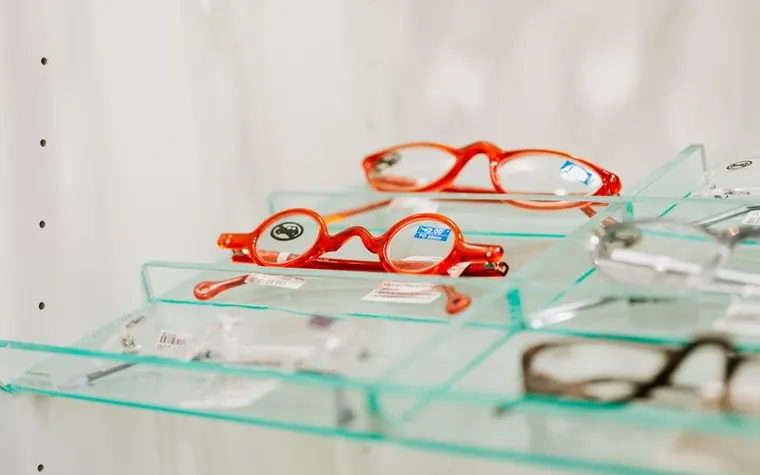
Glasses and contact lenses count as medical expenses up to KRW 500,000 a year
Article 118-5, paragraph 1, item 4 of the Decree adds spending on glasses or contact lenses for vision correction to medical expenses, up to KRW 500,000 a year per person eligible for the basic deduction. The cap applies to each person, not to the whole family. If two children each get glasses, each child's amount is counted up to KRW 500,000. Even if one person buys glasses twice in the same year, the recognized total for that person cannot exceed KRW 500,000.
Cosmetic lenses and sunglasses are excluded
The Decree removes spending for cosmetic or plastic-surgery purposes from medical expenses. Non-prescription colored lenses, lenses that only change eye color, and sunglasses worn without a prescription are not eligible. If you ordered prescription sunglasses for vision correction, how they are treated depends on how the receipt describes them, so it is safer to ask the optician to state the purpose. Protective goggles for school use or non-prescription blue-light glasses do not correct eyesight, so they are left out too.
The receipt needs the user's name and confirmation that it is for vision correction
Article 58 of the Income Tax Act's Enforcement Rules requires medical expense records to show the user's name and the optician's confirmation that the item is for vision correction. A card slip alone lacks both, and the claim may be refused at year-end settlement. When you buy, ask the shop for a receipt with your child's name or a vision-correction certificate. In years when the simplified year-end data does not show the optician's spending, you have to hand this receipt to your employer yourself, so keep it safe.
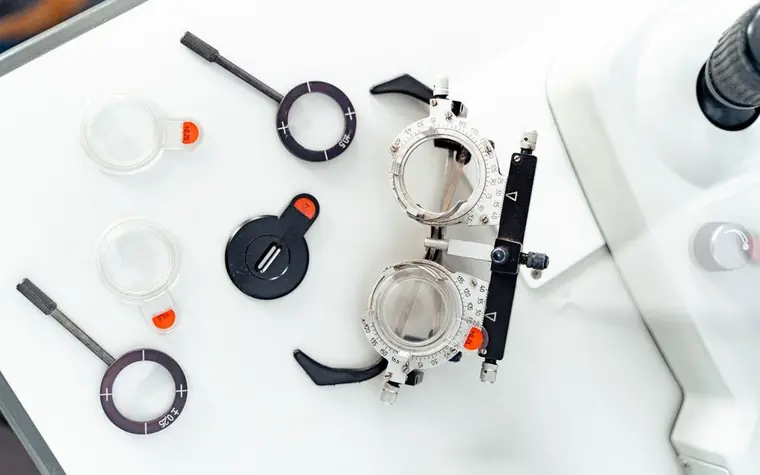
The credit only starts above 3 percent of gross pay
The medical expense tax credit adds up the year's medical costs and then takes off tax equal to 15 percent of the amount above 3 percent of gross pay. With gross pay of KRW 50 million, the threshold is KRW 1.5 million. If glasses at KRW 400,000 were your only medical cost, you are far below it and the credit is zero. Glasses are added to hospital fees, medicine and dental care, so a pair of glasses makes a difference only in years when other medical spending is already high. For a household that has already passed the threshold, 15 percent of KRW 500,000, or KRW 75,000, comes straight off the tax.
The KRW 7 million cap does not apply to everyone
The basic ceiling on the medical expense credit is KRW 7 million a year. Spending for yourself, children aged 6 or under, people aged 65 or over, and people with disabilities or serious illness is calculated outside this ceiling. An elementary school child is not 6 or under, so the glasses fall under the general KRW 7 million cap. Few households reach that cap, so what matters more to parents is whether they clear the threshold and whether they hold the receipt.
Who may claim the credit is also set by rule
Only spending for persons eligible for the basic deduction can be claimed. If a child's income passes a set amount, the child drops out of the basic deduction and the parent cannot claim. No age requirement is applied separately to medical expenses, but the income requirement still has to be checked, so if that may apply to your child, see the National Tax Service's year-end settlement guidance. For couples who both work, the spouse who claims the child's basic deduction usually claims the medical expenses too, and whether the person who paid and the person who claims may differ should be checked with the National Tax Service.
Check the school eye test and the tuition credit at the same time
Parents often first learn that a child's eyesight has dropped from the school health check result notice. The items and notice timing are in our article on the school health check result notice. At year-end settlement there are also education expense credits such as preschool academy fees, so compare the limits in our article on the education expense tax credit limit, and if the cost burden is heavy, look at our article on the education benefit and education cost support as well.
Summary: what to do when you buy your child glasses
First, ask the optician for a receipt that carries your child's name and confirms vision correction. Second, remember that the recognized amount is KRW 500,000 a year per person and do not count more than that. Third, at year-end work out whether the family's total medical spending passes 3 percent of gross pay. Fourth, if the optician's spending does not appear in the simplified data, submit the receipt with your year-end settlement documents. This article is a general explanation of the system and does not replace personal tax calculation or tax advice. Results depend on gross pay and family circumstances, so confirm with the National Tax Service's Hometax or your company's year-end settlement staff.
This is an English translation of an article originally written in Korean. 한국어 원문 보기 ›