
If Your Child Misses School for Confirmed Flu or a Flu Test, It Counts as Attendance -- Return Timing and Documents During the Flu Advisory
During the influenza advisory, how a flu absence is recognized as attendance, which documents to hand in, and how to decide when your child returns to school.
Your child wakes up with a fever on the day of a performance assessment, or just before exams, and the first questions are always the same: "If I take them to the doctor, does it count as an absence? Should I just send them in?" The Korea Disease Control and Prevention Agency issued the 2026-2027 influenza advisory effective 00:00 on September 11, 2026, and said cases are rising fastest among school-age children. This article walks through, in order, on what basis an absence is recognized as attendance when flu is confirmed or a test is being done, what to hand in to the school, and when a child may go back.
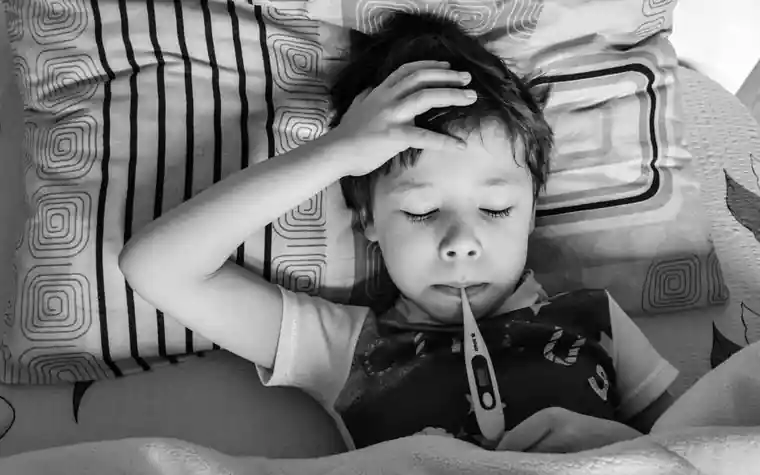
This season started earlier than usual
According to the KDCA press release, the influenza-like illness rate in week 36 of 2026 (August 30 to September 5) was 25.3 per 1,000 outpatients, above this season's epidemic threshold of 12.9 and nearly four times the 6.6 recorded in the same period last year. By age, ages 7 to 12 were highest at 75.1, followed by ages 1 to 6 at 49.8 and ages 13 to 18 at 31.3. The virus detection rate was 16.3%.
The basis for keeping a child home is the School Health Act
According to guidance from the Seoul Metropolitan Office of Education, Article 8 of the School Health Act lets a principal suspend attendance for students who have an infectious disease, may have one, or are at risk of catching one. Article 22 of the Enforcement Decree targets confirmed patients, suspected patients and carriers, and excludes cases where a doctor judges there is no risk of infection. This is different from a parent simply deciding to "let them rest." An attendance suspension arises where a doctor's diagnosis meets the principal's action, so the basic order is: see a doctor first when a fever appears, then tell the homeroom teacher the result.
An absence for a confirmed flu case or a test counts as attendance
On June 7, 2023, when suspected influenza cases were rising, the Ministry of Education said that "if a student is absent because of a confirmed case or to be tested for confirmation, it can be recognized as attendance," citing the School Health Act and the school life record guidelines. The current version of those guidelines is Ministry of Education Directive No. 555, in force since March 1, 2026. The key words are "can be recognized." It is not automatic; the reason is verified through documents, and the details of handling may differ somewhat by school rules and city or provincial education office guidance.

Even if the test is negative, that day is attendance
Many parents miss this. The Seoul education office guidance says that when an infectious disease was suspected and the child saw a doctor but the result was not an infectious disease, "the suspension period until the result is confirmed is recognized as a day of attendance." A negative test does not leave you with an absence. Conversely, if the child was kept home without seeing a doctor, this route is unavailable, so when symptoms look suspicious, the medical visit record itself protects your child's reason for absence.
In normal times, one of three documents is enough
In the same Seoul guidance, the documents accepted in normal times are one of a medical visit confirmation, a doctor's opinion, or a doctor's diagnosis. When the country is under a national crisis level for infectious disease, a medical bill receipt or a prescription and drug receipt can substitute, but that relaxed stage does not apply now. The simplest is the visit confirmation, so ask for it at the reception desk on the day of the visit. Getting it later means going back to the clinic. Hand it to the homeroom teacher on the day your child returns. If you are unsure which document the school accepts, you can send the teacher a photo the day before.
When to send them back: a doctor's judgment, not a number of days
The Seoul guidance says a confirmed case stays out of school until "recovered and no longer contagious," and that the period follows the doctor's finding that the child is not contagious. Because no fixed number of days is written into law, rather than deciding "the fever is down, so tomorrow," ask the doctor during the visit how many days until school is okay and have it written on the opinion.
With exams or performance assessments, the document deadline matters more
Even when the absence is recognized, a missed assessment is handled by a separate procedure. In middle school, an illness-based missed assessment earns a recognized-absence score, but a late document can turn it into an unexcused absence, as we explained in our article on missed performance assessments. With flu going around, collecting the paperwork is effectively part of managing grades. What the school sends home can also be checked through the NEIS Parent Service, so it helps to open it now and then to see how attendance was entered.
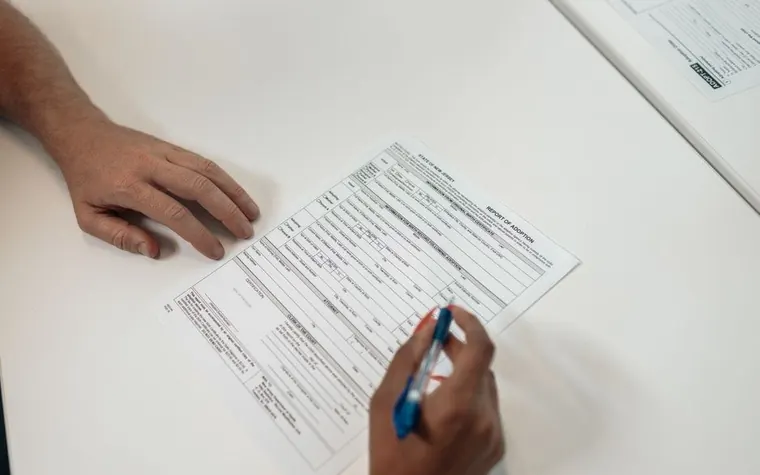
Summary of the order
(1) If there is fever or cough, go to the doctor before school. (2) Get the visit confirmation on the spot. (3) Tell the homeroom teacher about the visit and whether the child will be absent. (4) Decide the return date by the opinion or the doctor's words, and hand in the document the day your child returns. (5) If an assessment or exam was missed, check the recognized-absence document deadline in the school's rules. If your child is not vaccinated yet, check the national influenza vaccination schedule, and remember that vaccination does not prevent infection completely.
Sources are the KDCA press release of September 11, 2026 on the influenza advisory, the Seoul Metropolitan Office of Education guidance on attendance suspension for infectious disease, and the June 2023 report of Ministry of Education guidance, organized as of October 1, 2026. The school and your city or provincial education office have the final say on detailed requirements and documents, so be sure to confirm with the homeroom teacher. This article does not replace diagnosis or treatment; discuss medical decisions with the doctor who examined your child.
This is an English translation of an article originally written in Korean. 한국어 원문 보기 ›