
School Cameras Are Now Mandatory at Set Places Since September 11 — Entrances, Corridors and Stairs Are Required, Classrooms Are Excluded, and the School Steering Committee Can Exempt Some Places
2026년 9월 11일 시행된 초·중등교육법 제30조의8과 시행령 제57조의2 기준으로 학교 영상정보처리기기 필수 설치 장소 일곱 곳, 교실 제외, 운영위원회 심의 예외, 학부모가 물을 질문을 정리했습니다.
Whether a school has security cameras is one of the first safety questions parents ask. Until now, where and how many to install differed from school to school. That changed on September 11, 2026. The amended Elementary and Secondary Education Act and its Enforcement Decree name entrances, corridors and stairs among the places where cameras are mandatory, and classrooms are excluded from the mandatory list. This guide is based on the legal text checked on October 17, 2026, and sets out what parents should know and what to ask the school steering committee.

What changed: the law now lists mandatory places
Article 30-8 of the Elementary and Secondary Education Act sets out what a principal must carry out for student safety. A March 10, 2026 amendment added "matters on installing and operating video surveillance equipment, including the mandatory installation places inside and outside school buildings such as entrances, corridors and stairs (classrooms excluded)", effective September 11. The same article also covers detailed standards for checking the identity of people entering the school, a plan for patrols around the school, and the safety of students who stay after school for education and care.
The timing is worth knowing. The law was promulgated on March 10, 2026 and took effect six months later on September 11, and the Enforcement Decree that lists the places was promulgated on September 8 and took effect the same day. Because the rule is already in force, if a school says it is still preparing, you can ask when it will be ready.
There are seven mandatory places
Article 57-2 of the Enforcement Decree lists the mandatory places as follows.
- The school gate
- The entrance of the school building
- The entrance of the gymnasium
- The entrance of the auditorium
- The entrance of the dormitory
- The corridors of the school building
- The stairs of the school building
Playgrounds, rear gates and parking lots are not on this list. Not being on the list does not mean a camera cannot be installed there. It only means it is not mandatory. You can ask whether the school has checked its existing cameras against these seven places.
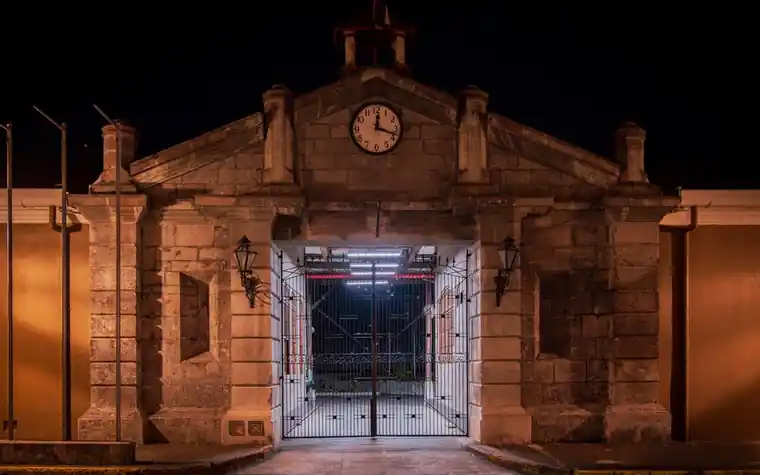
Classrooms get no cameras
The text of the law itself excludes classrooms from the mandatory places. It does not state a reason. So a demand to put cameras in classrooms falls outside this amendment, and if a school decides to do so on its own, it needs a separate discussion and personal-information protection procedures. Footage from corridors and stairs may help confirm an accident, but something that happens inside a classroom may not be captured.
The committee can remove some places
According to the proviso in the Decree, a place can be excluded if the school steering committee decides by deliberation that cameras cannot be installed or are not suitable there, considering the structure of the facility and how often students use it. The text lists no examples, so which places qualify is decided in the deliberation. To keep this exception from being abused, it matters that parents check what was discussed.
How parent opinion is reflected
The Decree requires a principal to hear the views of students, parents and staff and go through steering committee deliberation when drawing up student safety measures. Committee meetings must be announced to members seven days in advance and posted on the school website, and parent members make up 40 to 50 percent of the committee. Realistic ways to speak up are replying to the school newsletter, attending the parent general meeting, or proposing an agenda item through a parent member. The same structure applies to the process for changing school rules and the review of costs the school collects.
Questions to ask the committee
- Which of the seven mandatory places have no camera or have blind spots?
- If a place is to be excluded, is the reason based on structure and frequency of use?
- Is there a published policy on who can view the footage and how long it is kept?
- Is there an entry-control and patrol plan for students who stay after school?
The law also says the national and local governments may give administrative and financial support for these safety measures. If a school is slow because of budget, you can ask whether education office support is available. For a specific school, check the official channels and the school website notices. Daycare centers are under separate rules, with their own guardian request to view CCTV.
Order of steps
- Check the committee meeting notices and minutes on the school website
- Ask the school about the installation status of the seven mandatory places
- If any place is excluded, ask for the reason given in the deliberation
- If you need a viewing or retention policy, read the school's personal-information notice first
This article summarizes a legal amendment as general information. For a particular school's installation status and operating policy, follow the guidance of the school and the local education office. Sources: Elementary and Secondary Education Act Article 30-8; Enforcement Decree Articles 57-2, 58 and 59-2 (National Law Information Center, checked October 17, 2026).
This is an English translation of an article originally written in Korean. 한국어 원문 보기 ›