
Parents of First Graders Should Know the Korean-Literacy Class Hours First -- 482 Hours of Korean, With 34 Hours Set Aside Just for Learning Hangul
Elementary Korean class hours rose to 482 under the 2022 curriculum, with 34 hours set aside specifically for Hangul acquisition.
If you have a child starting first grade, you've probably wondered at some point, "has my child's class even finished learning Hangul yet?" Under the 2022 revised national curriculum, elementary grades 1-2 now have a set number of class hours specifically allotted to Hangul instruction. Once you know that Korean-language class time itself increased, and that time for mastering Hangul is carved out separately within it, you can watch your child's progress with a lot less anxiety.
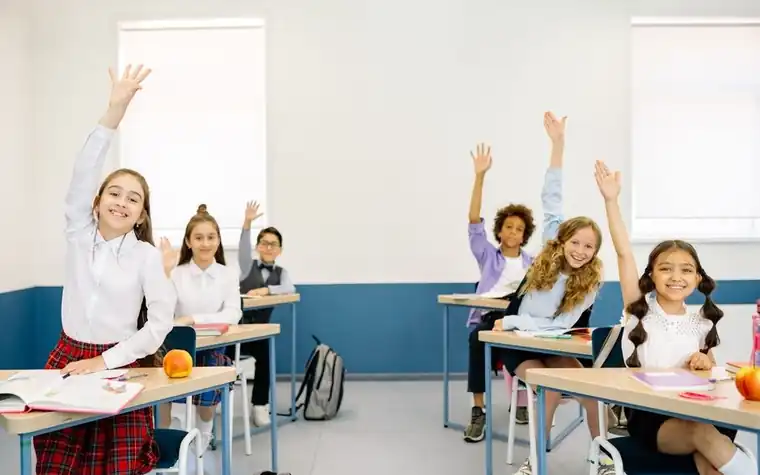
Korean-language class time increased by 34 hours
The 2022 revised national curriculum increased Korean-language class hours for elementary grades 1-2 from 448 hours to 482 hours -- a 34-hour increase. The change grew out of concern that literacy gaps carry over into learning gaps in later grades, and it applies starting with the cohort that entered elementary school in 2024, so today's grade 1-2 classrooms already reflect the expanded hours. Because the hours are calculated at the combined grade-1-and-2 band level rather than divided evenly by semester, the actual scheduling can vary somewhat depending on each school's discretion.
Hangul-acquisition time is set aside separately within that total
Not all of the added Korean-language hours go toward Hangul instruction specifically. The Ministry of Education separately designated 34 hours specifically for Hangul acquisition and practice. On top of that, Hangul-related activities are also woven into the early school-adjustment period (creative experiential activities) at the start of first grade, so the actual amount of Hangul-related instruction a child encounters in the first semester of first grade is broader than the Korean-subject hour count alone suggests.
Why it's called 'responsibility education' for Hangul
This policy is commonly referred to as Hangul "responsibility education." It does not assume a child has already learned Hangul beforehand through private tutoring or home study -- instead, it places the responsibility on the school to make sure every child can read and write Hangul through classroom instruction alone. The structure is designed so that even a child who starts school knowing no Hangul at all can build the basics within the allotted hours, so rather than panicking that your child is behind peers, the right first step is simply to check where the school's own pace currently stands.
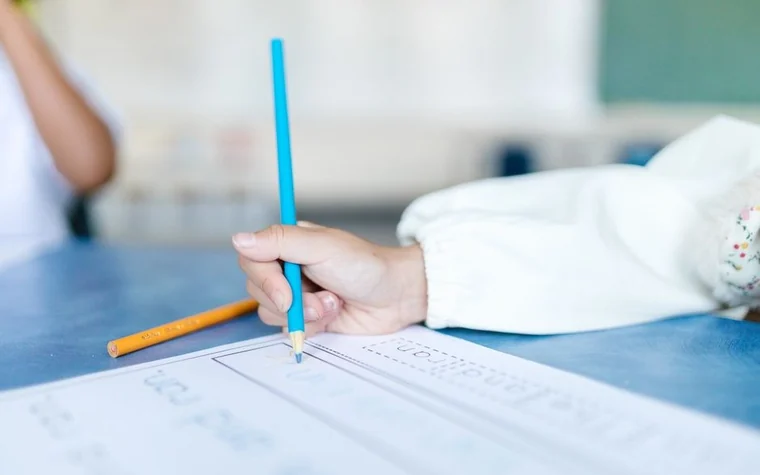
How and when is a child's progress assessed?
Schools run diagnostic activities early in the school year to check each child's level of Hangul acquisition, and based on the results, connect children to free support programs for children whose literacy is a concern. In other words, the 34 hours of Hangul-acquisition instruction is the "teaching" side, while the separate diagnostic-and-support system that identifies children who still struggle afterward is a distinct process. Knowing that the two systems are connected but separate helps you follow along without confusion when a homeroom teacher brings either one up in a conference.
You don't need to make up the hours at home
The fact that set instructional hours exist means the school takes responsibility for Hangul acquisition within that window -- it does not mean parents need to cover the same material in advance, or repeat it, through a private academy or workbooks. That said, as covered in this site's piece on thirty minutes of daily elementary study, a light check at home -- having your child read that day's new words out loud -- can help them keep pace with the class. If a child has already fully learned Hangul, this class time may feel tedious; in that case, letting the homeroom teacher know in advance often means the child can be assigned different, level-appropriate activities within the classroom.
What happens if a child hasn't learned Hangul by second grade?
The 34-hour figure for the grade 1-2 band is calculated as a combined grade-band concept covering both first and second grade, not a requirement to finish entirely within first grade -- it's time secured across two years. That said, the difficulty of Korean-language material itself rises quickly with each grade, so just as elementary math tends to break down at a predictable point around fractions, literacy gaps also tend to widen at certain points. If ongoing difficulty shows up in first-grade diagnostics, connecting the child to the school's separate support program quickly is the better move for narrowing the gap before second grade.
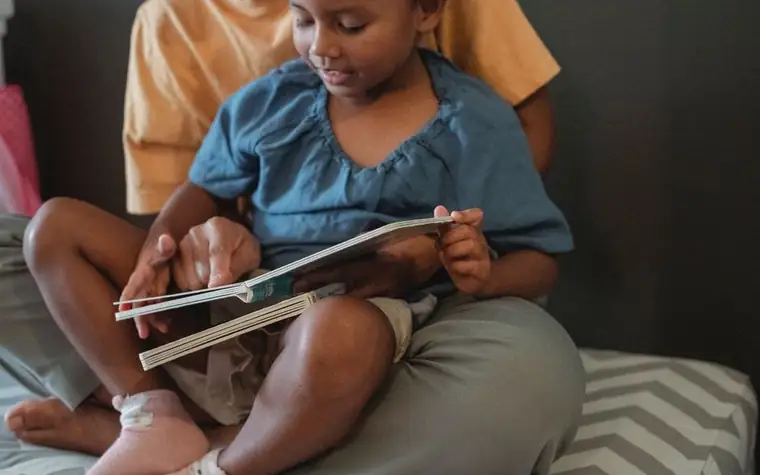
Good questions to ask at a parent-teacher conference
During parent-teacher conference week or an individual meeting, it helps more to ask specific questions -- "where is my child's Hangul progress right now," "how does my child's pace compare with the class overall," and "if a diagnosis shows my child needs extra support, what process does that lead to" -- than to simply worry in the abstract. Diagnostic timing and how support programs are run can vary by school, so while the mandated hours are the same nationwide, the specifics of implementation are worth confirming directly with the homeroom teacher.
Putting it in order
① Confirm that, starting with the 2022 revised curriculum, Korean-language hours for grades 1-2 increased from 448 to 482 hours. ② Note that 34 hours for Hangul acquisition and practice are separately designated within that total. ③ Keep in mind that the school's diagnostic results and its support programs are a separate process from these class hours. ④ At home, supplement lightly by reviewing that day's material rather than trying to replace the class hours. ⑤ If ongoing difficulty appears, ask the homeroom teacher specifically what process connects your child to the school's support program.
This is an English translation of an article originally written in Korean. 한국어 원문 보기 ›